Blog ·
What was the first platform game?
The first true platform game is usually said to be Donkey Kong, Nintendo's arcade game of 1981: it is the game Guinness World Records names, and it was the first to let you jump over gaps and obstacles. But Space Panic, made by Universal in 1980, came first with platforms joined by ladders, and some historians call it the first. The answer depends on one question: does a platform game need a jump?
Why is Donkey Kong called the first platform game?
Because it put jumping at the heart of climbing. Guinness World Records lists Donkey Kong as the "first true platform game", and adds that it was the first game to star Mario, "though he was called Jumpman at the time." The Strong National Museum of Play, which put Donkey Kong in its World Video Game Hall of Fame in 2017, sums up what the player did on its Donkey Kong page: the hero "jumped barrels, climbed ladders, ran up girders, smashed fire balls, and overcame other obstacles", and he was "initially called Jumpman for his signature leaping move."
That mix of running along platforms, climbing between them and jumping over what comes at you is still the shape of the genre today.
Did Mario always jump?
No, and the jump almost did not happen. In Nintendo's own interview series, Iwata Asks: New Super Mario Bros. Wii, Shigeru Miyamoto, who designed Donkey Kong, says it "was a game where you had to escape from a maze" at first. The cabinet had a button, and "we decided to use the button to allow players to jump and when we made a prototype to try it out, it worked really well." He jokes that if the jump had gone on pushing up on the joystick, "the name 'jump button' would never have come about!"
The same interview has a detail that surprises people who grew up with later Mario games. In Donkey Kong, "if Mario fell any distance that was greater than his height, he would be stunned and you'd lose a turn." Mario only became the superhuman jumper in Mario Bros. (1983), when, Miyamoto says, the team asked: "Why shouldn't Mario be able to perform some super-human feats?"
What was Space Panic?
An arcade game from the Tokyo maker Universal, released in Japan in November 1980 and in the United States in February 1981, according to Arcade-History's record of the game. You play a spaceman on a screen of floors, and as Wikipedia's Space Panic article describes it, "the main character can move along platforms and climb the ladders between them." Instead of jumping, you dig holes in the floors, lure the aliens into them and knock them through before they climb out, while an oxygen supply runs down as a timer.
The game designer Chris Crawford called it "the granddaddy of all platform games", as Arcade-History quotes him. The same page states plainly what keeps it from the title for many people: "Space Panic lacks Donkey Kong's jump mechanic."
So which one was first?
It comes down to how you define the genre:
| If a platform game means... | Then the first is | Year |
|---|---|---|
| Floors you walk along, joined by ladders | Space Panic (Universal) | 1980 |
| Floors and ladders, plus a jump over gaps and hazards | Donkey Kong (Nintendo) | 1981 |
| A side-scrolling world you run and jump through | Super Mario Bros. is the one that defined it | 1985 |
Most lists, including Guinness, go with the jump, which is why Donkey Kong gets the title. Space Panic is the fair answer to "which came first?", and Donkey Kong to "which set the template?".
Were they called platform games at the time?
Not yet. Early players and magazines spoke of "climbing games" and "ladder games". Wikipedia's history of the platformer notes "climbing games" in Steve Bloom's 1982 book Video Invaders and in 1983 issues of Electronic Games, and "ladder game" in Creative Computing in 1982. "Platform game" is the name that stuck later.
Where did platform games go next?
Within a few years the single screen of floors and ladders became whole worlds. A few of the steps, each with its page on our hub:
- Donkey Kong (1981): the jump, and the template.
- Pitfall! (1982): Activision's jungle run on the Atari 2600.
- Mario Bros. (1983): the superhuman jump Miyamoto describes above.
- Big Top, Jumpman, Lode Runner, Chuckie Egg and Manic Miner (1983): the home computer boom of single-screen climbing games.
- Super Mario Bros. (1985): what the Strong museum's Super Mario Bros. page calls "the side-scrolling platformer", inducted into its Hall of Fame in 2015.
Can I play an early-style platform game in my browser?
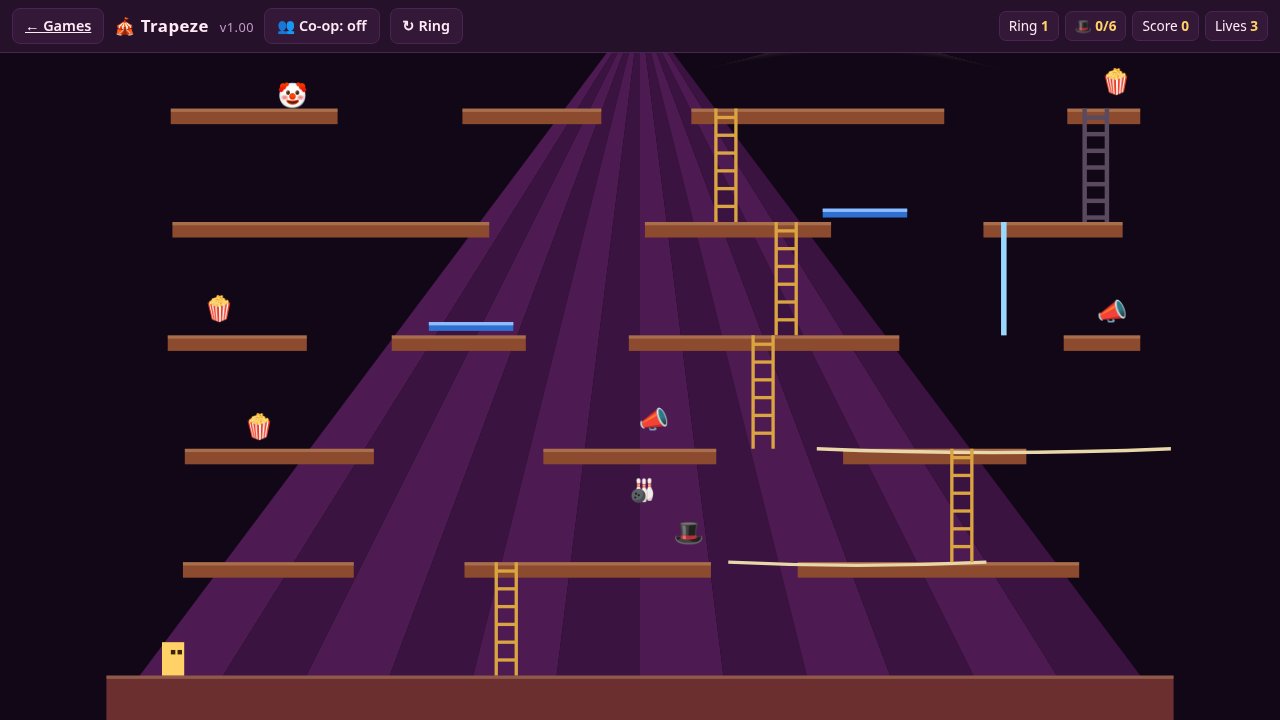
Yes. Trapeze, our circus platformer inspired by Big Top (1983), plays the old way, and its rules are in its code:
- Floors, ladders and more. Like Space Panic and Donkey Kong, the tent is rows of platforms, and the ways between them are ladders, poles, tightropes and trampolines.
- The jump is committed. The direction of a jump is fixed the moment you take off, and nothing you press in the air changes it.
- The drop is the danger. Much like Mario in Donkey Kong, a fall is what gets you: drop more than about two storeys and you lose a life, unless you land on a trampoline, which bounces you up instead, or catch a ladder on the way down.
It runs in the browser with nothing to install, on a keyboard or with on-screen buttons on a touch screen, and two players can share one keyboard in co-op. Its hub page shows it next to Big Top. For more of the era, our 1980s page has the classics where platform games began, or browse the hub for everything else.
More from the blog
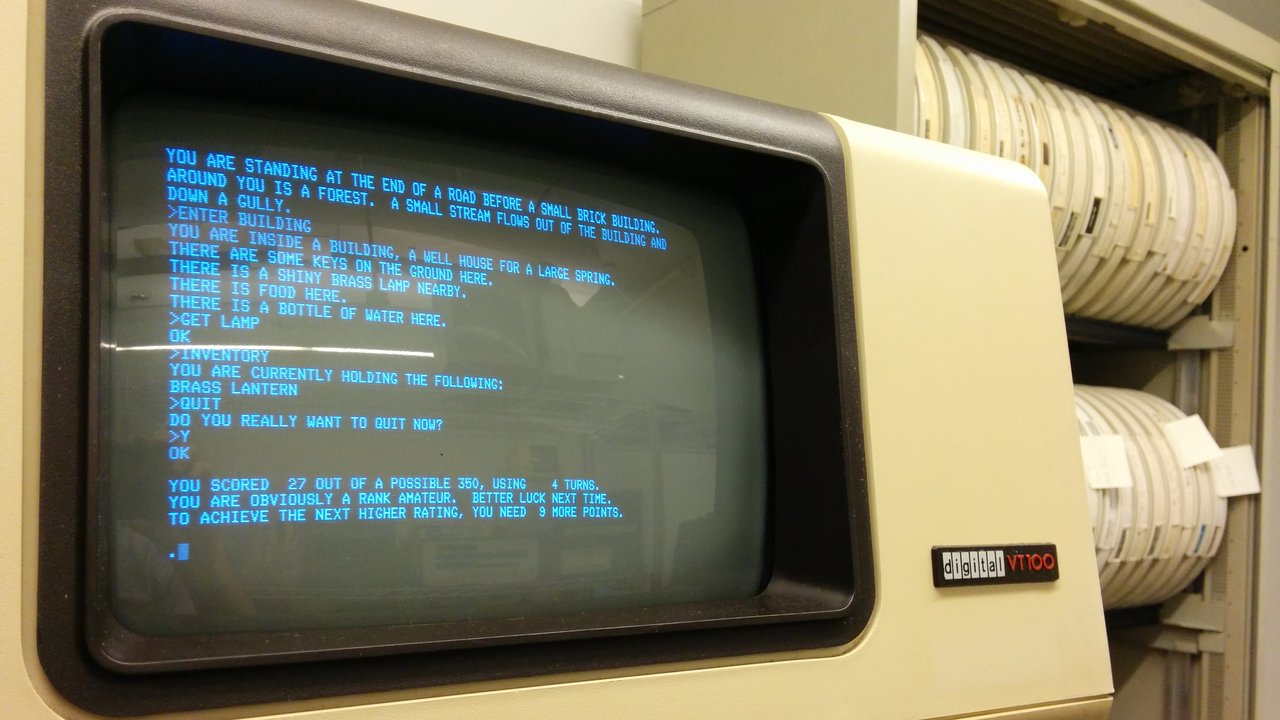 What was the first text adventure game?Colossal Cave Adventure, written by Will Crowther around 1975 and expanded by Don Woods in 1977, is the game that started the text adventure. Wander (1974) may be older. Here is how the first text adventures fit together, from the cave to Zork and Adventureland.
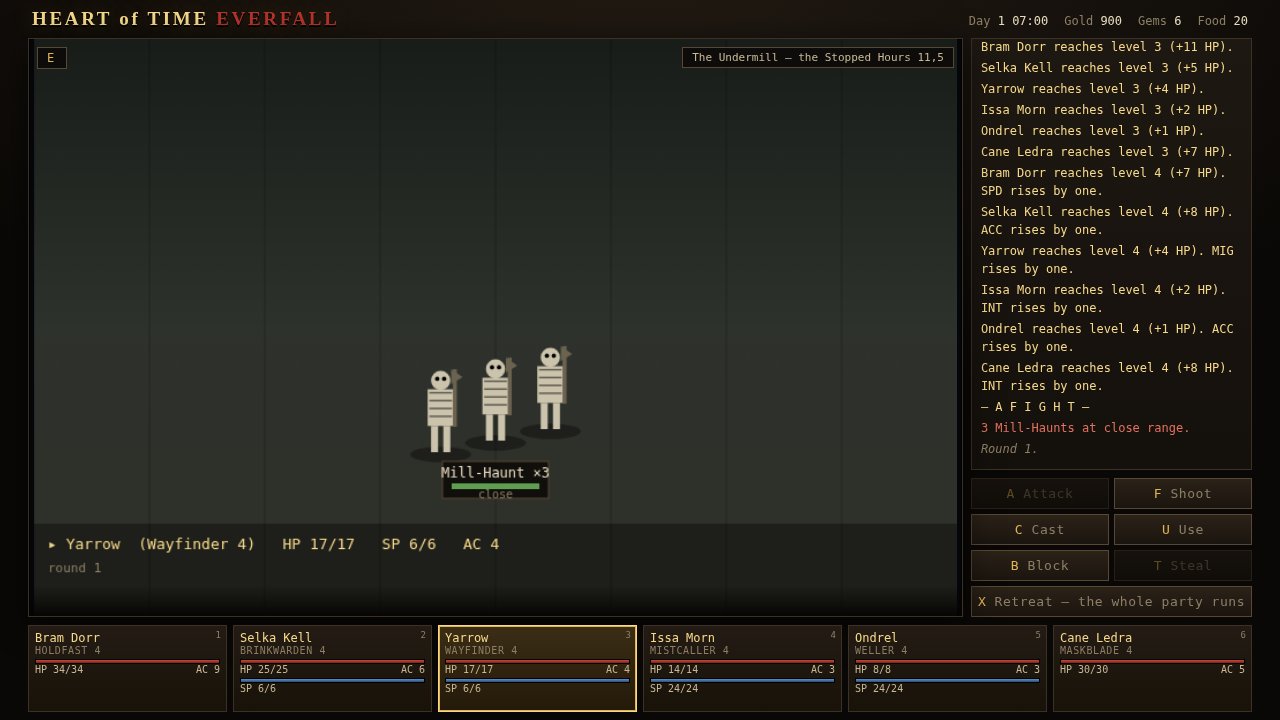 What was the first JRPG?The Dragon & Princess, made by Koei for the PC-88 in 1982, is the game most often named as the first Japanese role-playing game. The Black Onyx (1984) was the first popular one, and Dragon Quest (1986) made the genre a household name. Here is how they fit together.
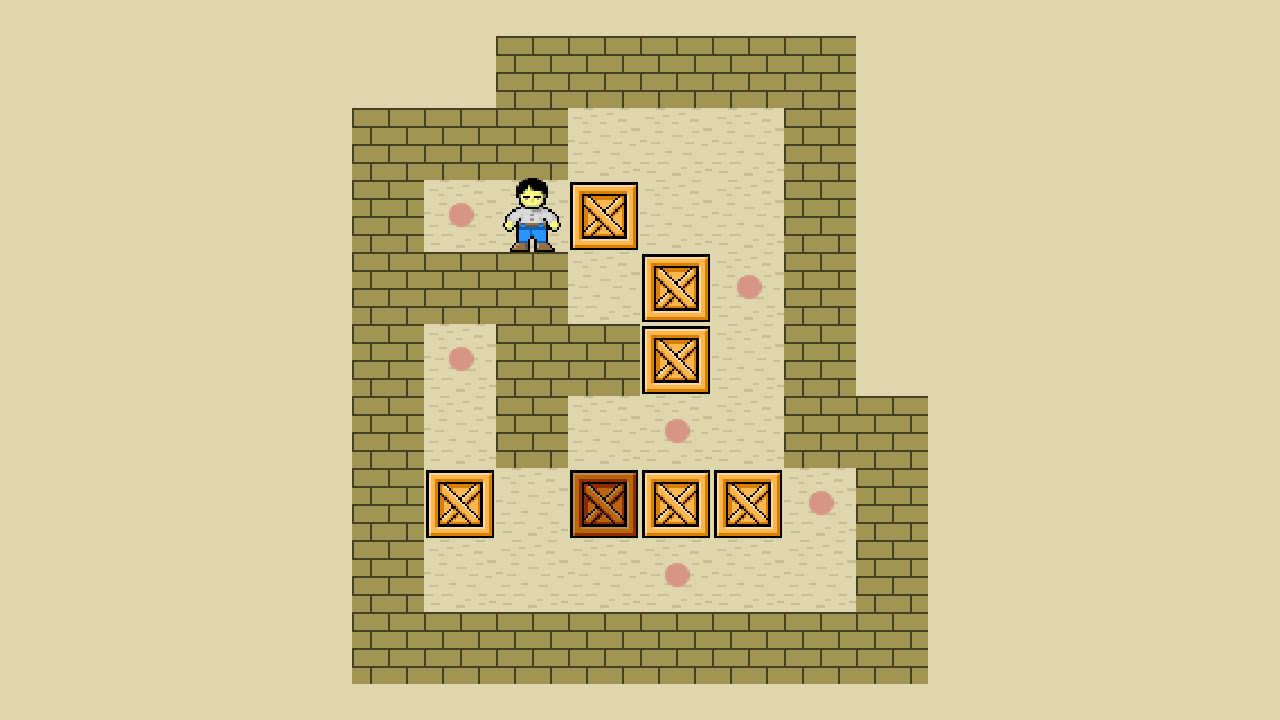 What is Sokoban?Sokoban is a 1982 box-pushing puzzle game by Hiroyuki Imabayashi of Thinking Rabbit, in which a warehouse worker pushes crates onto marked spots. Here are its three rules, who made it, why it is so hard, and games like it.